JIMENA
Tunisia
The first remnants of Jewish life in Tunisia date back to the 4th century. In the 400’s, Jews were increasing in size and prospering greatly to such a degree that the African Church Council enacted strict restrictions on the Jews in order to minimize their influence. In 534, the Jews were considered heathens and faced persecution. Throughout their history, Tunisian Jews encounter eras of good treatment interspersed with eras of anti-Semitism and discrimination.
Photos
See AllClick on the photos to enlarge and discover the stories behind them.
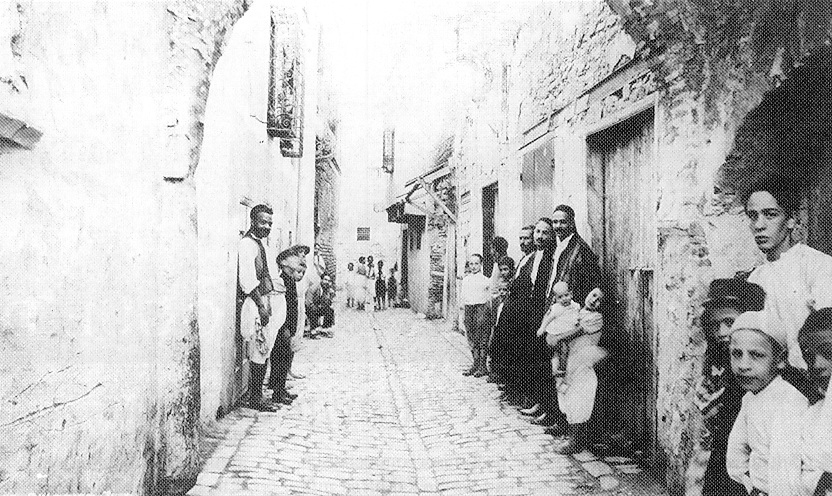
La Hâra de Tunis fin XIXème-siècle
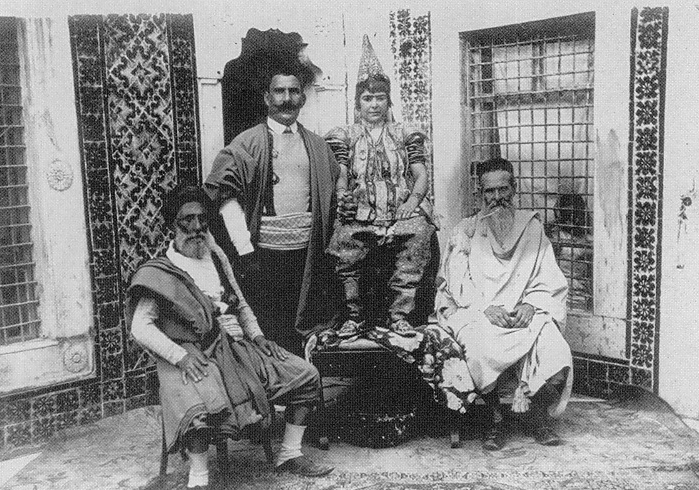
Famille juive de Tunis
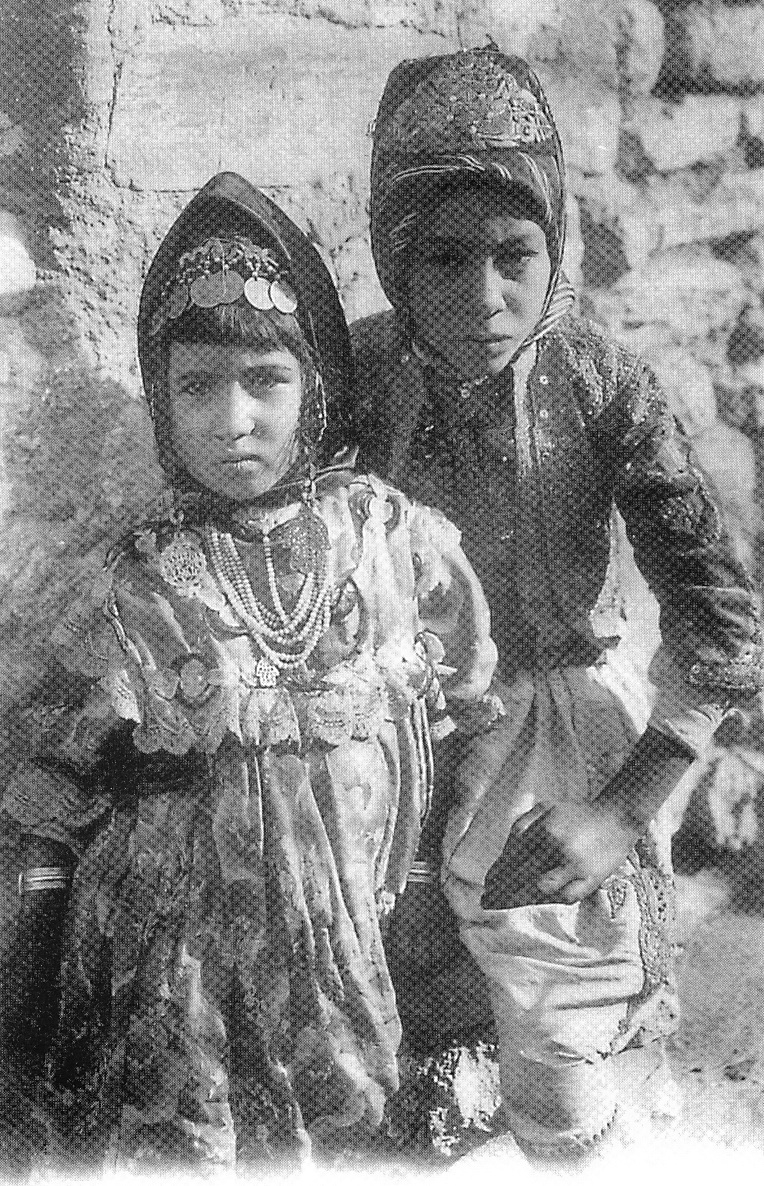
Enfants costume de fête
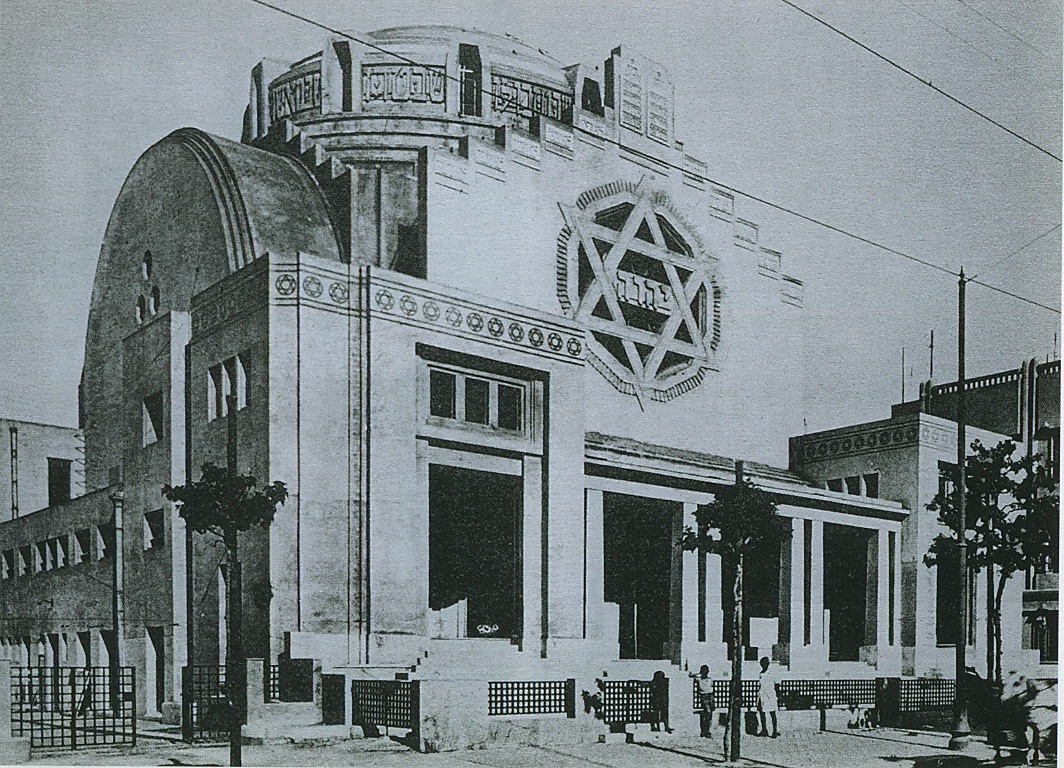
Grande synagogue de Tunis ville moderne constr.1937
Culture
See AllAlthough Jews have lived in Tunisia for over two thousand six hundred years — predating the Arab Islamic conquests by centuries – today less than two thousand remain. The indigenous Jewish culture of Tunisia is rich with unique traditions and rituals steeped in Jewish spirituality and learning. While today the ancient El Ghriba Sygnogue on the island of Djerba is still the destination of an annual Lag BaOmer pilgrimage, before World War II almost every Tunisian town and city had a Jewish community and neighborhood.