Lessons from the Sephardic and Mizrahi Traditions
JIMENA has increased its efforts to promote Mizrahi and Sephardic education by developing various projects that enhance educational experiences for both Jewish and non-Jewish settings.
By Ty Alhadeff
2025.03.10

By Ty Alhadeff, Institute for Jewish Ideas and Ideals, Conversations Issue 45. March, 2025
Ty Alhadeff is the Director of Education of JIMENA (Jews Indigenous to the Middle East and North Africa.)
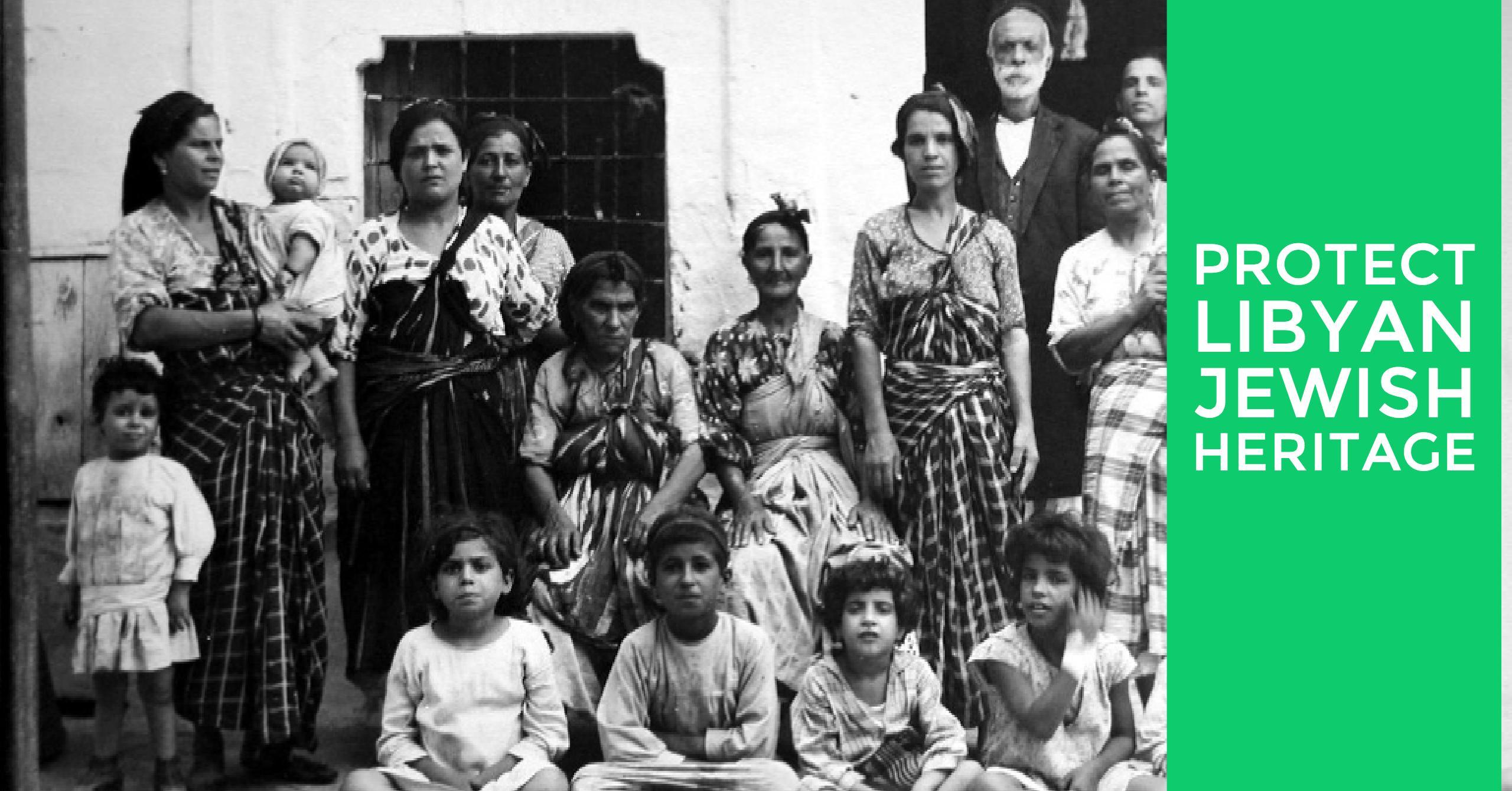
JIMENA (Jews Indigenous to the Middle East and North Africa) was founded in 2001 by Jewish refugees from the Middle East and North Africa, amidst the aftermath of the September 11th attacks and the ongoing second Intifada in Israel. Driven by a commitment to preserving their families’ personal stories, the founders sought to raise awareness about the religious and political persecution that led to their displacement, material losses, and fractured identities.
JIMENA has spearheaded numerous campaigns to ensure that the history of Jewish refugees from Arab countries is thoroughly documented and incorporated into discussions about Middle Eastern refugees. Members of JIMENA’s Speakers Bureau have shared their experiences with the UN Human Rights Council, the U.S. Congressional Human Rights Caucus, the Israeli Knesset, the British House of Lords, over 100 universities across North America, and hundreds of organizations. As a principal North America advocate for Jewish refugees from Arab countries and Iran, JIMENA is recognized by the Israeli government as a central leader in advancing international initiatives on this important issue.
Recently, JIMENA has increased its efforts to promote Mizrahi and Sephardic education by developing various projects that enhance educational experiences for both Jewish and non-Jewish settings. Last year, JIMENA assisted the White House’s U.S. National Strategy to Counter 103 Antisemitism, impacting its strategic goal to ensure that “students should learn about global histories of antisemitism. This should include histories of antisemitism experienced by Sephardic and Mizrahi Jews—who trace their ancestry to Spain, the Middle East, and North Africa—and their stories of exclusion, persecution, and expulsion.” In response, our team created a series of lesson plans for public schools that align with state standards and provide resources for public school educators, as well as Jewish community and religious schools. JIMENA also leads adult education series and formed AIMEE: Advocates for Inclusive Middle Eastern Education to promote a deeper understanding of Middle Eastern Jewish heritage and combating antisemitism in public education and beyond.
To draw on the diverse expertise of our communities, JIMENA established the Sephardic Leadership Institute, comprising over 60 members from various fields, including rabbinical leadership, grassroots organizations, education, women’s leadership, and arts and culture, which significantly shaped our educational endeavors. JIMENA has hosted five fellowships featuring training sessions led by prominent Sephardic and Mizrahi rabbis, scholars, educators, and authors. These six-month programs, held bi-monthly, delve into topics such as Sephardic pedagogy, rabbinic thought, antisemitism, Israel, and Jewish literature. JIMENA has offered both in-person programs for Jewish professionals in San Francisco and Los Angeles, and remote programs for the National Fellowship, the Campus Professional Fellowship, and the current Senior Jewish Educators Cohort.
This year, JIMENA launched the Sephardi & Mizrahi Education Toolkit—a comprehensive resource for K–12 educators. The Toolkit offers a wide range of resources, including school assessments, leadership recommendations, and classroom materials that integrate the experiences of Jews from Muslim-majority countries into subjects such as Tanakh, halakha, science, Israel, the Holocaust, Jewish literature, and more, providing a fuller picture of the entire Jewish experience. By reaching schools, libraries, summer camps, and community organizations, JIMENA aims to make Sephardi and Mizrahi studies a foundational element of Jewish education, reshaping how Jewish heritage is taught and celebrated.
Since its launch, the Toolkit has reached over 4,500 individuals worldwide, with teachers, authors, and Jewish professionals participating in JIMENA-led trainings hosted by Jewish and non-Jewish organizations like 104 Conversations PJ Library, Bar-Ilan University’s Lookstein Center, Hebrew Union College, and Fairfax County Public School in District in Washington, D.C. JIMENA is currently providing direct support to administrators and educators at over 40 schools and Jewish organizations to integrate these resources into their curricula. The Toolkit’s impact has been widely recognized, with coverage in publications like eJewish Philanthropy, The Times of Israel, Tablet Magazine, The Jerusalem Post, and the Jewish Women’s Archive.
JIMENA recently concluded a pioneering needs assessment of Jewish Day Schools in New York, identifying essential requirements, challenges, and opportunities for enhancing the inclusion of Sephardic content and students. Simultaneously, we are conducting a parallel study in Los Angeles. The final report from the New York study outlines a comprehensive set of recommendations that is guiding the development of innovative new JIMENA projects tailored to address these findings. Additionally, JIMENA completed outreach to 50 state departments of education, sharing our state-approved resources for teaching Middle Eastern Jewish history and antisemitism. Our efforts have received significant interest from many of their offices to bring these resources into public school curricula, which is a crucial step in broadening the narrative of Jewish history and combating antisemitism nationwide.
Through JIMENA’s literary publication, Distinctions: A Sephardi and Mizrahi Journal, our organization has showcased the work, creativity, and scholarship of Jewish leaders from our communities. The first issues have focused on the themes of antisemitism, unity for Israel, the diaspora, and resilience through transmission. The articles within the journal highlight the contributions of rabbis, academics, artists, campus professionals, and others who are dedicated to advancing our understanding of Jewish life. These pieces illustrate both the difficult circumstances and the successful opportunities that our families and institutions have and continue to confront and ensure that our stories are honored and heard.
Following the October 7th massacre and the ongoing war in Israel, JIMENA immediately addressed the mental health needs of over 100 community members, including former refugees and college students. Partnering with Cross Cultural Expressions, JIMENA provided bi-weekly, culturally competent group therapy sessions, offering specialized support for college students while addressing challenges like antisemitism and 105 Ty Alhadeff isolation. These sessions provided critical relief to students and survivors of Middle Eastern antisemitism, helping them cope with both present and past traumas. Additionally, JIMENA recommended reputable charities in Israel and raised emergency funds to secure temporary housing for 100 displaced individuals, prioritizing families with children.
These achievements in education and outreach are building a more inclusive global Jewish community—one that authentically reflects and integrates the contemporary histories, vibrant cultures, and invaluable perspectives of Sephardic and Mizrahi Jews. Through our efforts working with public schools and partnering with other Middle Eastern minorities, JIMENA strives to share our “light to the nations” and foster a love of Jews and Israel within our own schools, organizations, and communities.
“Surely this great nation is a wise and understanding people.” —Devarim 4:6
Tags
- Sephardic and Mizrahi Traditions
- JIMENA's Initiatives